#50 Butch Allen | Touring Careers, Show Design, and Why Live Events Stay Human
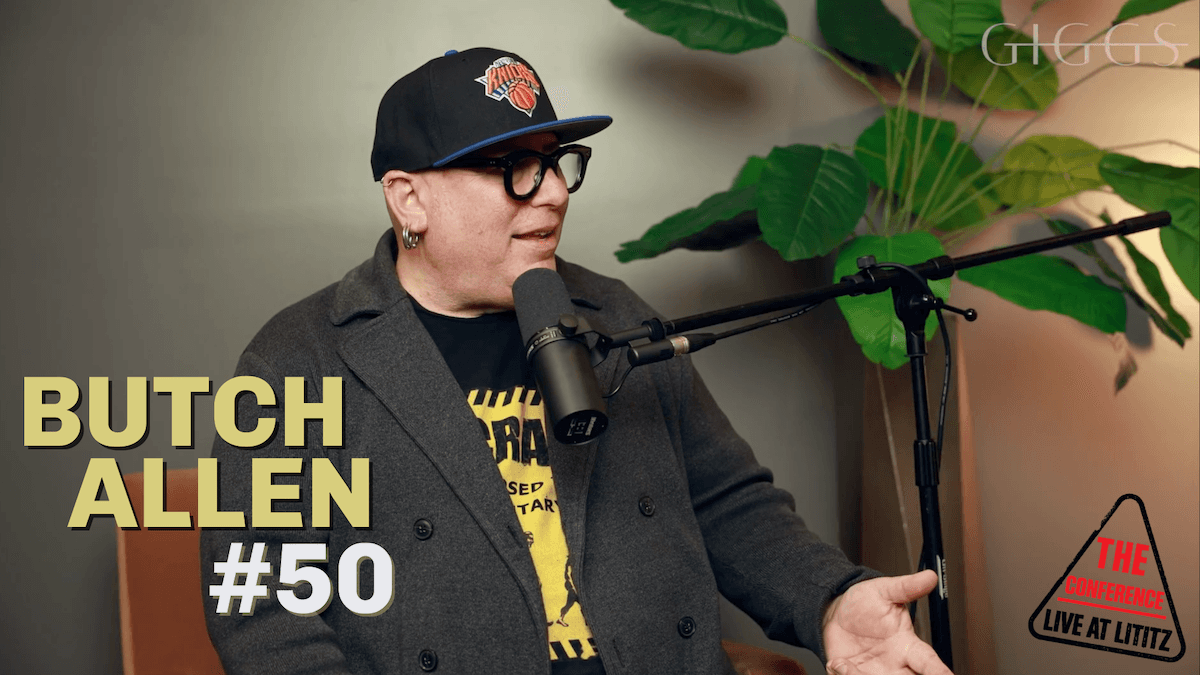
Recorded live from Rock Lititz in Lititz, PA, this episode of The Giggs Podcast drops you into a real behind-the-scenes touring conversation—one that’s equal parts career advice and “how the sausage gets made.” Host Nikki Sanz sits down with Butch Allen, VP of Global Business Development at TAIT, to talk about what actually helps people grow in live events: learning fast, showing up well, and becoming the person teams trust when the stakes are high.
What You’ll Learn
The “good hang” principle (and why it’s not fluff)
How Butch went from theater lighting to the touring world
What early touring looked like before today’s systems and standards
The reality of designing shows—from blank page to budget shock
Why live events remain a “purely human” experience, even with AI
How to spot the growth opportunities already around you
“What you want to do is in front of you. All you need to do is make the effort.”
The Moment Light Became a Career
Butch’s origin story starts where a lot of touring careers do: not with a master plan, but with a moment. In school, he was pushed into technical theater classes as an actor—and one instructor’s demo flipped a switch (literally). The room was dark, the door closed, and then the light hit: tables lit up, faces changed, and the whole space transformed. Butch realized something most people never think about: you don’t just “have” light—you can control it.
Within weeks, he was in a technical theater program and chasing that feeling. Then the next leap happened at concerts. Seeing beams overhead, feeling the live energy, and realizing he wanted to be around music locked him into the touring direction.
Takeaway: Your career doesn’t always start with a title. Sometimes it starts with a single “brain explosion” moment—then the work is choosing to pursue it hard.
“Make the Effort” and the “Good Hang” Advantage
Butch doesn’t romanticize touring as cuddly or easy. He does, however, describe a simple pattern that repeats in every career path inside live events: the people who grow are the ones who make the effort, contribute solutions, and become someone others want around.
He frames it in practical terms:
Learn the tools you need for the next step
Absorb what skilled people around you are doing
Contribute in a positive way
Provide solutions
Be a good hang
In touring, your technical skills matter. But your ability to operate inside the “fishbowl”—close quarters, constant pressure, and high interdependence—matters just as much.
Takeaway: If you want doors to open, don’t only collect skills. Build trust. Be the person who helps the room work.
Old-School Touring: Calling Every Day, Learning in the Fire
One of the most eye-opening parts of this conversation is how Butch talks about getting work before modern tech made networking frictionless. He describes calling a production manager every single day: “Got a job?” No internet. No cell phone. Just persistence.
And when the opportunity arrived, he had to level up fast. He jokes that he had passion and “legitimately sucked” at first, but the team around him was supportive enough to let him fail, learn, and improve. That’s a real theme in touring: you earn your place by showing up, adapting, and becoming useful.
He also describes the early reality of touring logistics—small crews, commercial flights, rental cars, and massive travel mileage. This was the era when tours could be advancing and drafting as they went, and the industry was still in the process of professionalizing.
Takeaway: You don’t need perfect readiness to start. You need persistence, humility, and a willingness to get better fast.
Designing Shows: The Roller Coaster Between Idea and Reality
Butch’s transition from constant touring into design is a big milestone in the episode. He shares a moment while working for Metallica—an overnight programming session in Germany, falling asleep on the ground outside a locked production office, and waking up to a paper plate labeled “Homeless Roadie Fund” full of coins. Funny, yes. Also clarifying.
He describes that as the moment he knew the grind portion had run its course, and it was time to focus his career differently.
When Nikki asks what he loves about design, Butch doesn’t talk about glamor. He talks about the blank page, and the emotional whiplash between concept and build:
“Time’s ticking, I’m terrible, I’m great… they hate me, they love me…”
Then suddenly: “We’re building this.”
He also nails the hardest part of design in a way every production leader recognizes: the early drawing gets everyone excited… then the budget hits, and the room changes.
Takeaway: Great design isn’t just taste. It’s collaboration under constraints—turning vision into something you can actually build, tour, and run.
The Touring “Tribe,” Professionalization, and Why AI Won’t Replace the Crew
Butch shares a wide-angle view of how the industry has changed. Early tours weren’t the same machine they are today—now teams understand venues, gear is built for repeatability, and the industry runs with a different level of structure. He also points out how culture has shifted: fewer “raging party” day-offs, more people taking care of themselves, and a new generation that grew up with intense technology.
Then the conversation turns to AI, and Butch is direct. He believes AI will enhance the industry, but the core work stays human. Live events are built on the in-the-moment adjustments: the late arrivals, the unexpected issues, the constant problem-solving no robot can anticipate cleanly.
In his words, this is a “purely human” experience—one people will crave even more as the world gets more automated.
Takeaway: If you’re choosing a career path, live events remain one of the most resilient places to build skills—because real-time human execution is the product.
Career Advice You Can Use This Week
Butch’s guidance is simple, but it’s not basic. If you’re trying to move from stagehand to tech, tech to department lead, or freelancer to design leadership, these are the moves:
Look at what you want to do—then find it near you. The tools are often already in the room.
Be useful under pressure. Solutions beat complaints, especially when doors are in an hour.
Earn trust in the fishbowl. Touring is close quarters. Your attitude travels faster than your resume.
Learn from the best around you. Mentorship may not be formal—but it’s everywhere if you pay attention.
Stay obsessed with the live moment. That’s what keeps the work meaningful (and the audience coming back).
Listen + Follow
If you work in touring, live event production, or show design—and you want more conversations like this—follow The Giggs Podcast and leave a review so more people in our industry find it. And if you’re hiring or looking for your next gig in live events, check out Giggs: https://giggs.live
