#51 Jesse Sandler | Touring Mentorship, Calm Leadership, and Earning the Next Gig
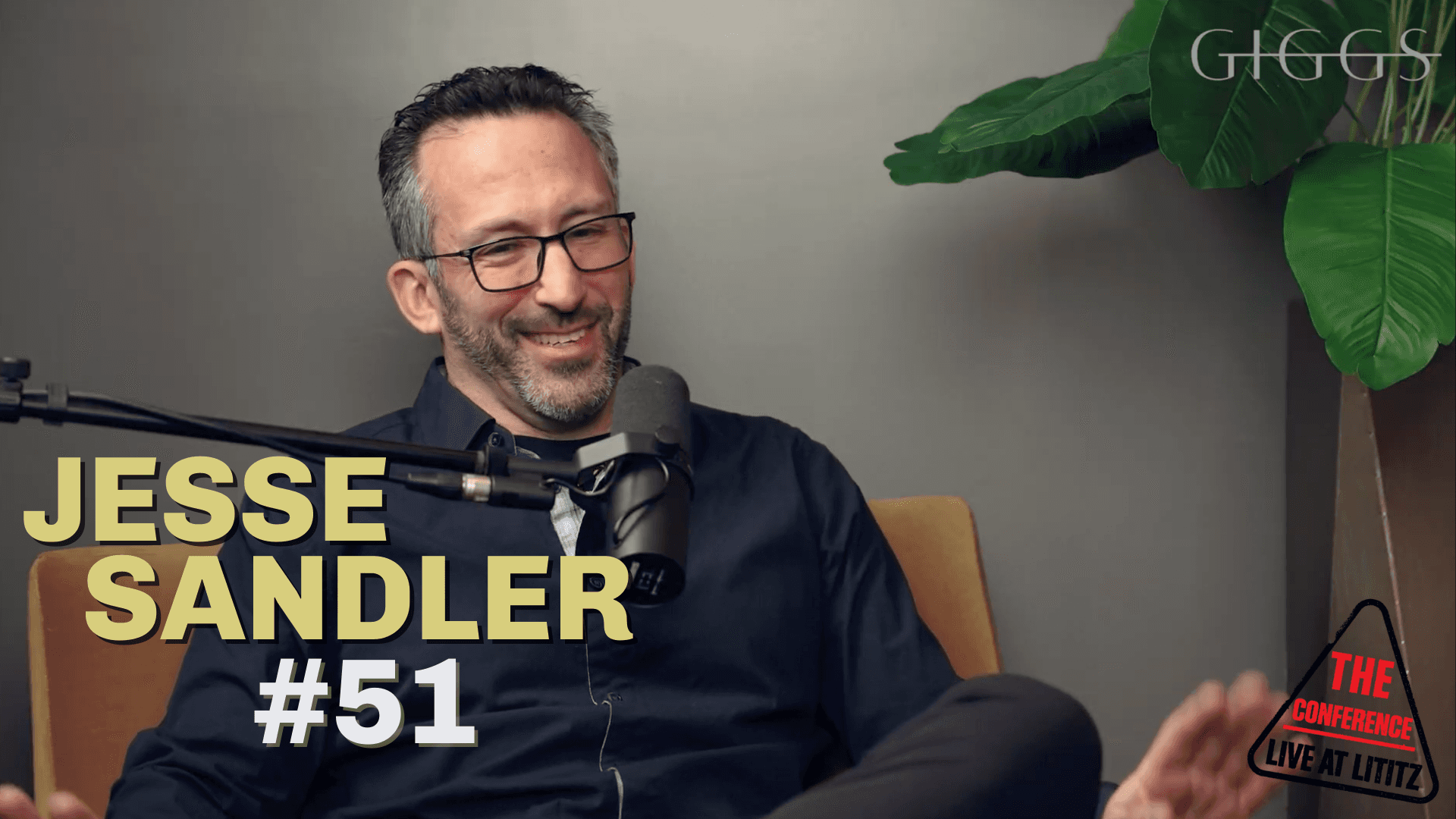
Recorded live at Rock Lititz, Nikki Sanz sits down with touring production manager, Jesse Sandler, to talk about the parts of touring careers people don’t see on Instagram: the early “glorified runner” seasons, the mentors who quietly shape you, and the leadership choices that either build trust or burn it.
Jesse’s story isn’t a straight line. It’s a chain of cosigns, work ethic, and “I’ll figure it out” moments — plus a clear point of view on what matters most when you’re building a team on the road: your reaction sets the tone, and attitude beats ego every time.
Highlights: What You’ll Learn
What Jesse’s first touring job actually looked like (and why it matters)
The leap from “doing the job” to leading the room without changing everything
How mentorship happens in real life, often without anyone naming it
Why calm leadership isn’t “soft,” it’s operationally effective
How to network as an introvert (without feeling fake)
The hiring truth: attitude can outweigh experience
The first gig: “I had no idea what I was doing”
Jesse says his entry into touring came through his father, Harry Sandler, who worked as a tour manager. Jesse didn’t grow up thinking, this is my future. In fact, he explains that as a kid, he didn’t even think what his dad did as a “job." It was just what his dad did.
Later, when they reconnected, his dad offered him a chance to come out on a run with John Mellencamp. Jesse took it. and started in the kind of role most people don’t romanticize: runner / production assistant work, making passes, putting up signs, doing what he was told.
The key detail: Jesse was 24 when he started touring. No “born into it at 16” storyline. Just an opportunity, a willingness to show up, and a commitment to doing the job in front of him.
Learning by watching: the “sponge” strategy
Early on, Jesse lands an unexpected opportunity: a move into audio — despite having basically no experience. He describes learning the old-school way: being around it, watching what people do, and focusing on what he needed to execute.
His approach is simple and very touring-real:
Pay attention
Don’t overcomplicate it
Know your job
Do your job well
He’s honest that his learning style wasn’t to ask constant questions. It was to listen, watch, and figure it out — then get better through repetition.
For anyone new in the industry, there’s a hidden permission slip here: you don’t have to know everything. You have to be reliable, observant, and useful.
Mentorship that doesn’t call itself mentorship
One of the most practical parts of this conversation is how Jesse describes mentorship: not as formal sit-downs, but as proximity to great people doing great work.
During his years with Bon Jovi, Jesse worked closely with key leaders who shaped how he thinks:
A big-picture production leader who could “read a room”
A technically-focused operator who handled drawings, truck packs, and operations details
A tour manager with a motivating, push-you-forward style
Jesse’s takeaway isn’t “copy someone else’s personality.” It’s: learn what each person is great at, then build your own system around it.
He also mentions how being part of a consistent core group for years shaped his view of what touring should feel like: organized, well-run, and not chaotic by default.
Stepping up fast: “Now I’m basically in charge”
Jesse’s transition into being the day-to-day production manager isn’t framed as a power-grab. It’s framed as growth that others recognized over time.
In rehearsal for a 2011 tour, a major health situation forces a leadership change. Jesse describes it plainly: he gets the call, and suddenly it’s his responsibility.
“I literally became the production manager… like as the real production manager.”
And yes, he admits he was freaking out a little.
But his strategy is what separates panic from progress:
Don’t overhaul what’s working
Keep things consistent
Lean on the experienced people around you
Execute the plan
He also drops a line that every new leader needs to hear: filling big shoes doesn’t mean becoming the person before you. It means doing the job with the support structure you’ve built.
“Your reaction dictates everybody else’s reaction.”
Why Jesse tries not to lose his sh*t
There’s a specific leadership principle Jesse returns to: being aggressive doesn’t fix problems, especially when the people fixing the problem are doing their best in real time.
He gives examples of real touring stakes (including moments where artists have been stuck in high-pressure situations), and his philosophy is consistent:
Let the problem-solvers solve
Don’t add chaos to chaos
Step in when it’s time to make a decision
Respect that being in charge of the problem doesn’t mean you caused it
He also admits he’s lost his cool a handful of times (including throwing a radio… "carefully, away from anyone"). But he frames those moments as release, not leadership strategy.
If you’re leading crews, calm leadership isn’t just “nice.” It’s how you keep people thinking clearly when the stakes are high.
The career advice: ask for the gig and bring the right attitude
When Nikki asks what Jesse would tell someone coming up today, he doesn’t glamorize it. He gives practical touring advice:
Introduce yourself
Tell people what you want to do
Tell them you’re looking for a gig
Don’t be intimidated by titles
Find a mentor you can actually call
And then the big one: attitude.
Jesse says he’d rather hire someone with a better attitude than someone with more experience but a bad vibe, because touring is too tight, too long, and too dependent on trust to carry someone who thinks they’re above the work.
He also highlights a reality most people ignore: the “cosign effect.” One introduction can be the whole bridge. People take you seriously when someone credible points your direction — so keep meeting people, keep showing up, and keep building that chain.
Your next career move
Later in the conversation, Jesse talks about what he’s proud of. Early on, it’s the work and being “self-made.” More recently, it’s the mentorship side — helping others see that they can do this too.
That theme fits Rock Lititz perfectly: not just a place to talk shop, but a place where touring knowledge gets passed down.
If you’re trying to break into touring, level up into coordination/management, or become the kind of leader people want to follow, Jesse’s story is your reminder that careers are built in the small moments:
the job you take before you feel ready
the way you react when things go sideways
the way you treat people when no one’s watching
Want more behind-the-scenes touring and live events conversations? Follow the show, share this episode with your crew, and check out what's new at Giggs.
