#52 Suzi Meyer | Workforce Development, Burnout, and the Future of Live Events
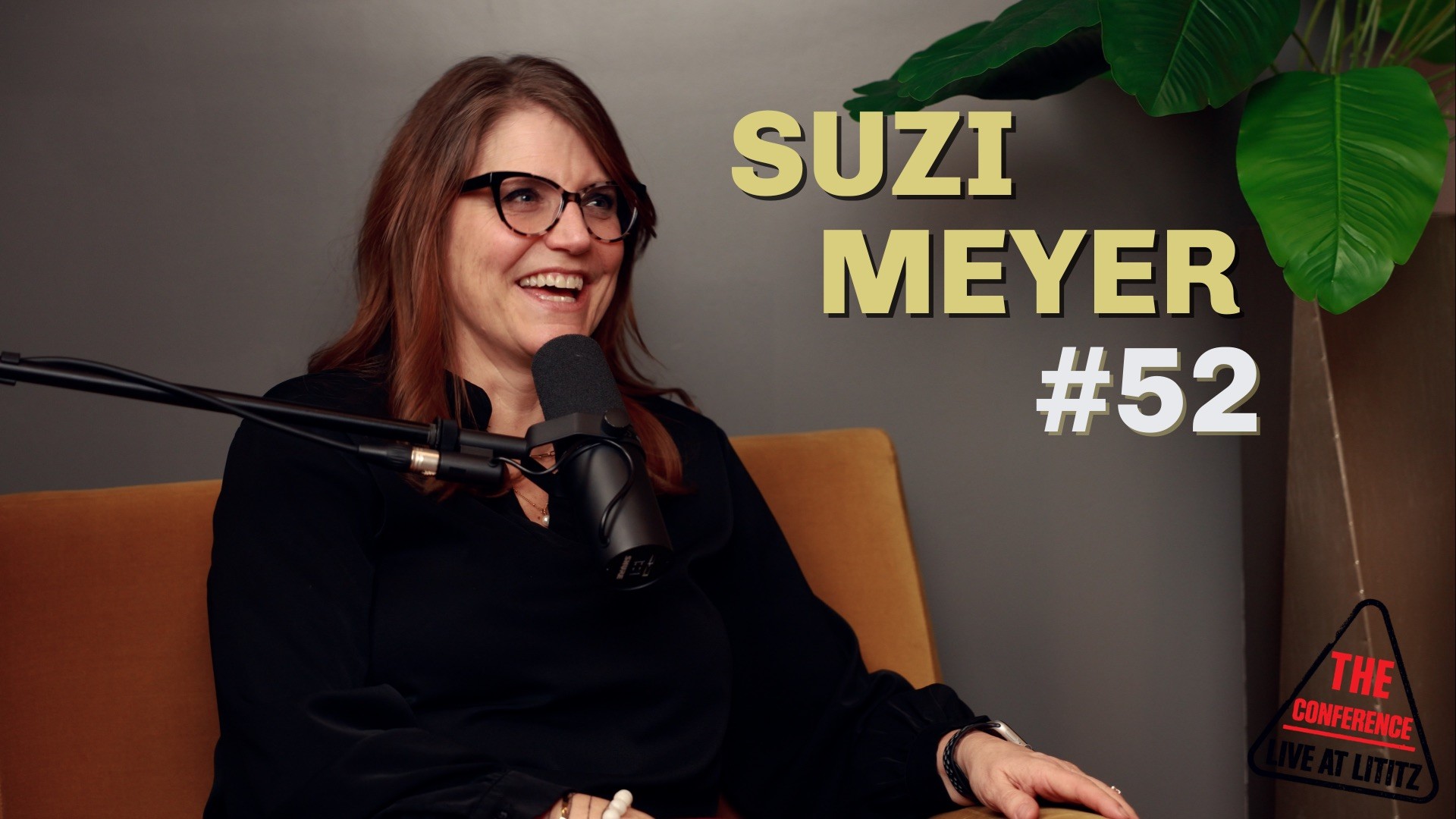
Recorded live at Rock Lititz, this conversation with Chief of Staff, Suzi Meyer, dives into one of the most urgent topics in the live event industry: workforce development.
As tours grow bigger, schedules tighten, and veteran professionals retire, the question becomes unavoidable: who’s next?
Suzi has been thinking about that question since COVID shook the industry to its core.
Highlights — What You’ll Learn
Why respectful leadership outranked pay in industry polling
What employers say is missing in new hires
How COVID exposed structural weaknesses in live events
The real tension between pay and workload
Why “professionalizing” doesn’t mean going corporate
How Workforce LIVE is helping recruit and retain talent
We All “Accidentally” Got Here
One of the most honest lines from this conversation:
“We all accidentally got here. So let’s work together to stop getting here accidentally.”
For decades, live events has grown through word-of-mouth, hustle, and relationships. You went to a show. You met someone. You got on a truck. You said yes.
That worked when the industry was smaller. It’s harder when global tours operate at massive scale and the first generation of builders is retiring.
Without intentional pathways from high school, college, or adjacent industries, we risk a widening skill gap, especially in safety-critical roles where mistakes aren’t just inconvenient, they’re dangerous.
What Professionals Actually Want
During the conference, polling revealed something surprising:
When asked what matters most in choosing who to work for, professionals ranked:
Respectful leadership
Consistent work
Growth opportunity
Pay
Pay came last.
That doesn’t mean money doesn’t matter. It means culture, communication, and leadership matter more.
Crews want clear expectations. They want boundaries respected. They want to feel heard.
Respect isn’t fluff — it’s retention.
The Burnout Equation: Pay vs. Workload
When asked what needs to change to reduce burnout, the overwhelming winner was pay versus workload.
This aligns with what many leaders are seeing on the ground. Shows are bigger. Stakes are higher. Technology is more complex. Schedules are tighter.
As Suzi described, the industry surged after COVID. Demand didn’t slow down.
But if responsibilities increase without corresponding pay or realistic timelines, burnout follows.
The tension isn’t just about compensation. It’s about sustainability.
How long can crews maintain peak performance without structural support?
Soft Skills Beat Technical Skills
Employers were asked what’s most often missing in new hires.
The top answers:
Professionalism and work ethic
Communication
Tour readiness
Technical skills
Technical ability ranked last.
Why? Because skills can be taught. Adaptability, accountability, and problem-solving are harder to install later.
In an industry built on collaboration and pressure, how you show up matters more than which console you know.
That insight creates opportunity. You don’t need a four-year degree to enter live events. You need reliability, curiosity, and the willingness to learn.
Professionalizing Without “Going Corporate”
One of the most nuanced parts of the conversation was around structure.
The live event industry prides itself on being entrepreneurial and non-corporate. But as tours scale, risks increase, and global money flows in, some structure becomes necessary.
Common vocabulary. Clear job definitions. Transparent expectations.
Not to remove the family feel — but to protect it.
As Suzi put it, structure doesn’t mean becoming corporate. It means putting frameworks in place that empower professionals and make the industry stronger long-term.
When job titles mean different things at different companies, pay transparency becomes harder. When there’s no shared language, standardization becomes impossible.
Clarity benefits everyone.
Gatekeeping vs. Legacy
Another powerful theme: gatekeeping.
Suzi shared that one of the best lessons she learned early in her career was to make herself replaceable.
Great leaders build successors.
If knowledge stays locked with one person, growth stops. If mentorship is prioritized, the industry evolves.
The theme — “Leave it better than you found it” — captures that shift.
Legacy isn’t about holding power. It’s about transferring it.
Why Workforce LIVE Matters
Through Workforce LIVE, Suzi and others are working to attract and retain talent in live events.
The mission is simple: don’t let the next generation drift to other industries because we failed to build pathways.
The live event industry survives because people want to feel something. After 9/11. After recessions. After COVID. Shows come back.
But that resilience depends on crews who are trained, respected, and supported.
The Big Question: Can This Industry Be Stable?
Freelancers feel the seasonal dips. December can get quiet. The “where’s my next gig?” anxiety is real.
Some thrive in that entrepreneurial rhythm. Others leave for stability.
The future may not look like a traditional corporate ladder. But it might include clearer pathways, better communication, shared standards, and intentional leadership development.
Those changes don’t kill the spirit. They protect it.
And if we want to keep building bigger shows, we need to build stronger systems around the humans who make them happen.
If this conversation resonated, follow the show, share it with a crew leader, and connect with the live event community at Giggs.
