#55 Patrick Ledwith | Building the Biggest Live Shows in the World
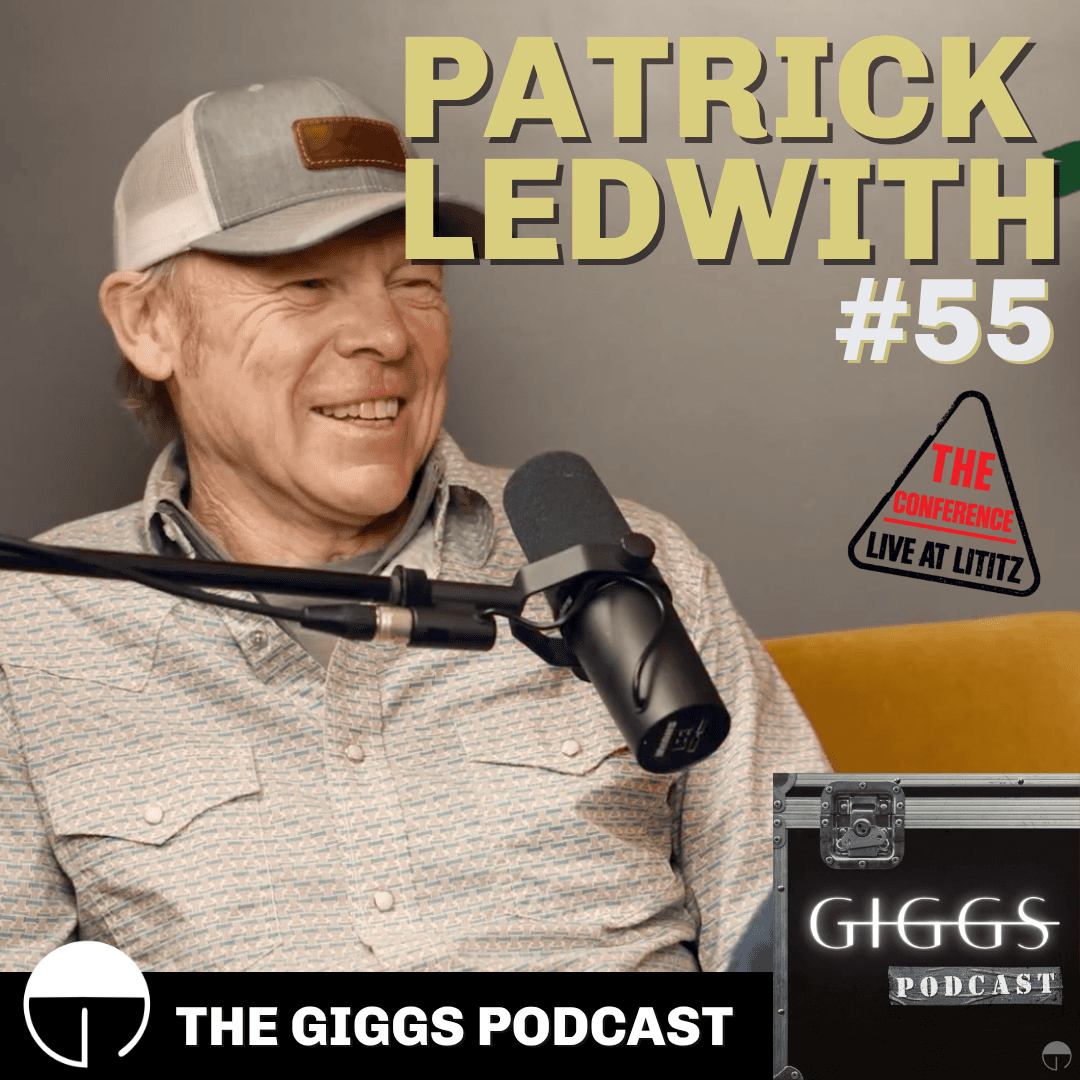
Recorded live at Rock Lititz, this episode of The Giggs Podcast captures a conversation with Patrick Ledwith that feels like a walk through the modern history of live production. From his start as a teenage stagehand in London to leadership at ES Global in North America, Patrick’s story tracks the growth of the touring and events business itself.
For anyone working in live events, touring, staging, production management, or technical operations, this episode matters because Patrick does not romanticize the work without also telling the truth about it. He talks about the grind, the improvisation, the pressure of deadlines that do not move, and the kind of leadership it takes to keep crews steady when the scale gets enormous.
Highlights — What You’ll Learn
How a single stagehand call changed Patrick’s career path
Why saying yes before you know exactly how to do it can shape a career
What early stadium touring looked like during U2’s Joshua Tree era
How great artists stay connected to fans even at massive scale
Why production management is really about responsibility and problem solving
How entertainment builds differ from traditional construction
What legacy looks like after decades on the road
From unloading a van to building for U2
Patrick’s start in the business was not part of some long master plan. He was on his way toward the Royal Marines in England when a friend asked him to help unload a van at the Electric Ballroom in London. That one call turned into stagehand work, then rigging, then bigger opportunities, and before long he was helping build stages for U2 during the Joshua Tree era.
That path says a lot about how careers often begin in live events. They do not always start with a formal title or a perfect roadmap. Sometimes they begin with showing up, working hard, and being willing to learn in real time.
Patrick describes those early years as a period when crews were still figuring out how to make increasingly ambitious productions happen. The gear was different. The systems were less polished. The scale was growing fast. A lot of the work came down to commitment, work ethic, and finding a solution before the clock ran out.
The ethic that built touring
One of the clearest themes in this conversation is that live production was built by people who committed first and solved the problem next. Patrick talks about agreeing to jobs and then turning around to figure out how to make them real. That mindset might sound reckless from the outside, but in context it comes across as a defining part of the industry’s DNA.
He frames it less as chaos and more as belief. If the job needed to get done, the crew would find a way. That attitude helped build the backbone of modern touring. It also explains why so many seasoned leaders in this business came up through hands-on roles. They did not inherit a finished system. They helped create one.
“You commit to it and you make it happen.”
That line captures more than Patrick’s own career. It sums up a mentality that still matters now, even as the industry has become more corporate, more technical, and more complex.
What great artists understand about fans
Patrick has worked around some of the most successful touring artists in the world, and Nikki asks the right question: what do the great ones have in common?
His answer is not hype. It is focus. He talks about how the best artists stay deeply connected to their fans and take the audience experience seriously.
He shares an Iron Maiden example where for Steve Harris, it was about making sure the person in the cheapest seat had the same quality experience as the person closest to the barricade. The audio mattered. The fans mattered. The band never lost sight of that.
That is a useful reminder for anyone in the business. No matter how advanced the production gets, the point is still the same. The gear, the structures, the trucks, the lighting, the automation, the planning, and the stress all serve one thing: the moment the artist steps on stage and the audience feels something real.
What production managers actually do
Patrick gives one of the clearest descriptions of production management in the episode. At its core, he says, the job is about assuming responsibility, solving problems, and making other people’s jobs easier.
That is a sharp definition because it goes beyond logistics. Yes, production managers manage timelines, logistics, departments, and delivery. But Patrick also emphasizes morale, temperament, and trust. In his view, leadership means understanding the jobs around you well enough to support them. It means staying calm under pressure. It means not bringing unnecessary chaos into an already difficult environment.
He also makes the case that production managers usually need to climb into that role rather than jump into it cold. The reason is simple: to lead well, you need to understand the realities of the work. That perspective comes from doing the job, learning the system, and earning trust over time.
How stadium production became structure, systems, and scale
The episode also offers a strong look at how the industry expanded beyond touring in the traditional sense. Patrick now works with ES Global, where staging knowledge overlaps with temporary structures, modular builds, large-scale events, and major projects that move far beyond a standard concert stage.
He explains the difference between entertainment builds and traditional construction in one powerful idea: in entertainment, the date does not move. When the show goes on, it goes on. That mindset shapes everything. It affects planning, engineering, project management, delivery, and team culture. A missed milestone is not just a budget problem. It can be a live global deadline.
That makes this episode especially useful for people interested in where careers in live events can go. Patrick’s path shows that experience on the road can evolve into leadership in major event infrastructure, design-build projects, and global-scale operations. The skill set broadens, but the core mindset stays surprisingly similar.
The road, the family, and the legacy
For all the scale in this conversation, some of the best moments are the most human ones. Patrick talks about quiet late-night drives after load-out, the smell of an empty stadium after a show, the camaraderie of a road family, and the strange way this business gets under your skin.
He also talks honestly about leaving the road and what drove that decision. A big part of it was wanting to be present for his two daughters. That shift gives the episode emotional weight because it reminds listeners that even the biggest careers eventually come back to personal choices, family, and legacy.
By the end, Patrick says the best legacy may be knowing he had a positive impact on people in the business. That lands because it fits everything else he shared. The projects were massive. The artists were iconic. But what seems to matter most to him now is the effect he had on crews, peers, and the next generation coming up behind him.
This is a strong episode for anyone trying to build a lasting career in live events without losing sight of why the work matters. Listen to the full conversation, follow The Giggs Podcast, and find more stories from the live events world at Giggs.
