How we replace experience

Hey, Nikki here.
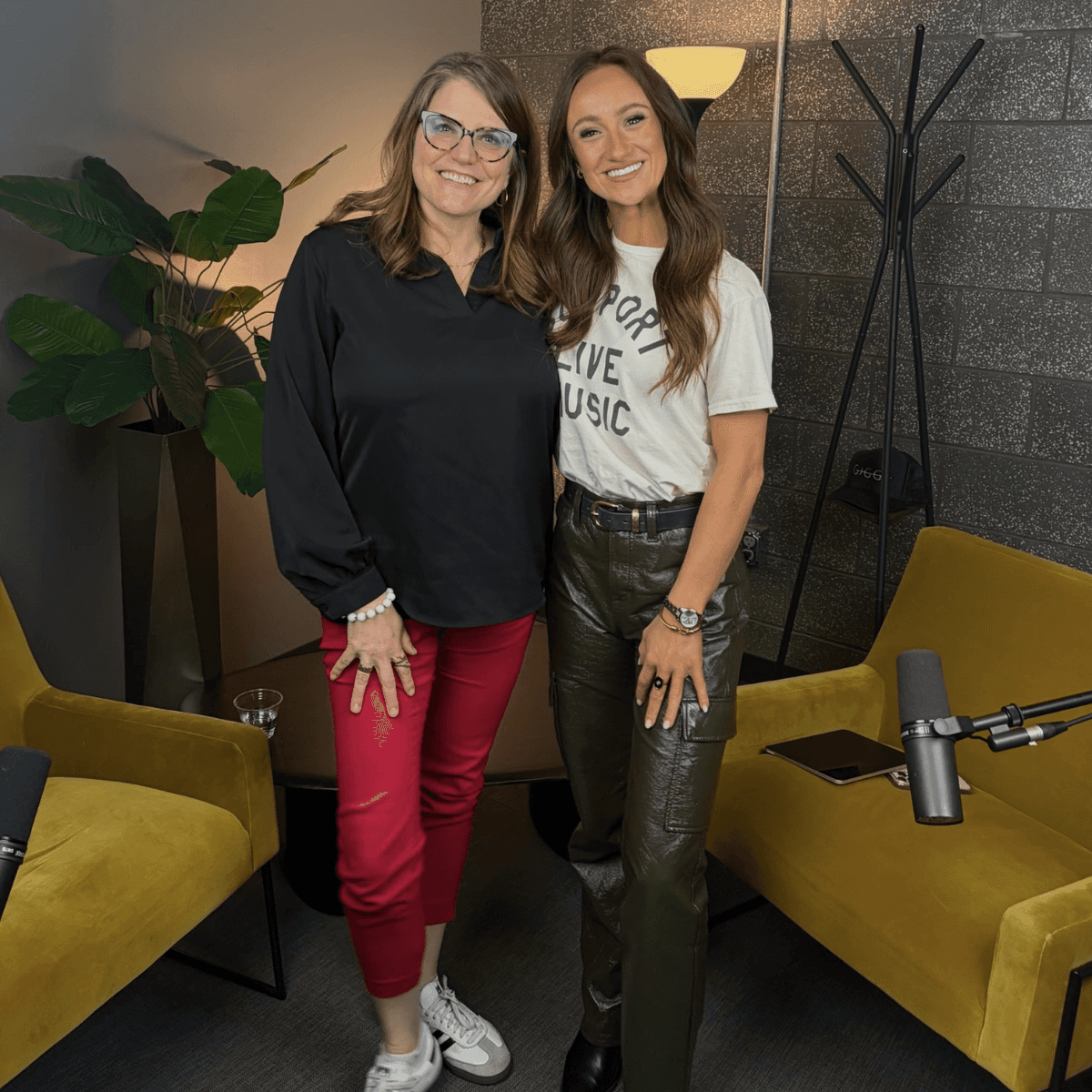
This week I sat down with Suzi Meyer, Chief of Staff at Rock Lititz. She spends a lot of her time on workforce development, leadership, inclusion, and the parts of this industry that hit people hardest over the long haul.
Why this one matters:
We lost a ton of people in Covid, the first generation that built modern touring is starting to retire, and we’re still acting like new talent will just… show up.
Suzi's exact words were so powerful to me: most of us accidentally got here. That's been part of the charm of touring for a long time. It's also a problem when you're trying to replace skilled labor and keep crews safe.
There’s a second thread running underneath all of this: people say they want the industry to feel less “corporate,” but they also want clearer paths, clearer expectations, and leaders who treat them with respect. That tension is real.
#1 Stop relying on "accidental" pathways
If we do not build real on-ramps from high school, college, warehouses, and adjacent trades, the skill gap widens. In a safety-critical industry, that matters.
Takeaway: Workforce development isn’t optional anymore.
Try this: Write a 5-bullet “how to get into this role” doc for your department and share it with one new person. How does someone go from green to trusted on your crew?
#2 Respectful leadership beats pay
In a Giggs poll we did ahead of this episode, “respectful leadership” came in #1 for what professionals want most in an employer — ahead of pay.
Takeaway: People stay where they feel respected and clearly led.
Try this: Before the next leg, ask your crew one question: “What would make this run smoother for you?” Then actually listen.
#3 Soft skills are the real hiring gap
Employers said professionalism, work ethic, and communication are more often missing than technical skills. Most gear can be taught. Accountability is harder.
Takeaway: The real separator isn’t what you know. It’s how you operate under pressure, with a crew, and on a timeline.
Try this: If you’re hiring, ask: “Tell me about a time something went sideways on show day. How did you handle it?” If you’re interviewing, have one clear story ready that shows communication, ownership, and follow-through.
#4 Pay vs workload is the burnout engine
Our polls showed that the biggest driver of burnout is “pay versus workload.” The complexity of shows has evolved. The expectations have evolved. The staffing models often haven’t.
Takeaway: You can’t keep adding scope without adding support.
Try this: Run the numbers honestly. If the workload increased, did compensation or crew depth increase with it?
If you want the full conversation, listen to Episode #52 of The Giggs Podcast with Suzi Meyer.
SPOTIFY | APPLE | YOUTUBE
— Nikki
P.S. One line I can’t stop thinking about: “Make sure you’re replaceable.” If the show falls apart because one person is out, that’s not strength. That’s a single point of failure. The best in this industry don’t hoard knowledge. They build the next person up.